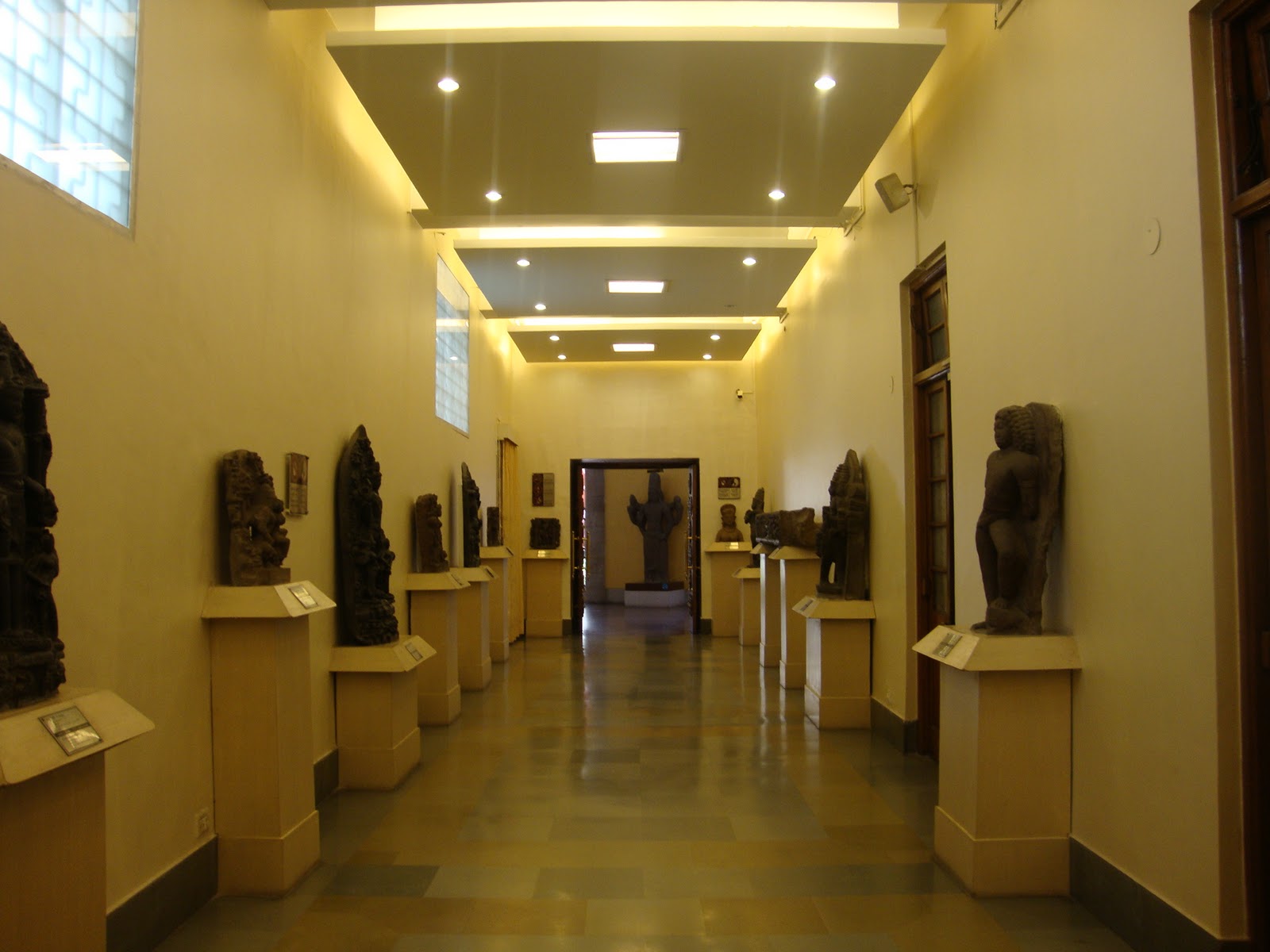
I wrote about 'Anugunj' an exhibition on the Myths beliefs and folk lore of India, which is being presented in the National Museum, New Delhi.
Undoubtedly, myths, legends, folk tales, stories which pass on from generation to generation only through the word of mouth are so very common in India. Along with that superstitions also constitute a major part of our lives.
These myths vary from place to place, from on State to another, from one community to another. Depending on what place to belong to, you grow up with a few superstitions. With time, either we begin to question them or follow them mindlessly.
 |
| A scary ugly face is put on the facade of buildings to ward off evil spirits |
As a 6-7 year old I had asked my mother - "Tell Me Why??" I guess, no parents would give a proper answer to their children for such question in those days.
Elderly ladies in my family have always said that there was a lot of wisdom in those beliefs which we call myths today. Since my childhood, I have tried to find some logic in the superstitions followed in my home. If I was able to find any sane logic in them, I would follow.
Here are a few superstitions and the possible thought behind it or the logic supporting it.
My mother always told not to sweep the floor after sunset. I think it was because there was no electricity in the rural India and sweeping floor after the sunset, when they only had oil lamps, can result in sweeping away small jewellery pieces or money from the home. But, I don't think it hold any relevance in today's time.
Also, switching on the lights in the evening with chanting the name of God along with that was always funny for me! Was it some means of thanking the Fire God in the old days when a oil lamp was burnt in the evening? Possibly. Although, there is no harm in showing gratitude, but now with living in smaller and closed homes we switch on the lights right from the morning, I think the practice of thanking God for light got vanished.
Another interesting myth is that we should not cross over or jump over the legs of a person who is sitting or lying down, as this may lead to stunted growth! And this was followed with all the zeal in those growing up years. I think, this superstition has a logic behind it. While a person is walking and crossing over the legs of another person, there are chances of his losing balance and falling over the person who is sitting and can cause medium to severe injury to both the people, especially the one who is sitting. So, even today I tell my children to follow it but have clarified why I want them to follow this age old practice.

Never cross the road if a black cat has crossed the road before you is one myth, which brings out the meanness of our society. There is a great amount of fear in people even today when they see a black cat, or a cat crossing the road or path they are travelling upon. I have seen that people stop besides the road, or slow down their car/scooter and wait for another person to cross it, before they do so. This shows the height of selfishness and meanness to which we go. I think this is one baseless belief we are still carrying on, without thinking that a healthy animal is bound to move around whether we think it's a good omen or bad.
Not washing clothes, not shaving or not buying oil/iron or not eating non vegetarian food on certain days of the week are also one of the most followed superstition in India. Hair saloons and beauty parlours are closed on Tuesday, as it is believed as bad luck to cut hair/shave on this day. On Thursday clothes are not washed. Non veg food is not consumed on Tuesday and Thursday, Oil or iron is not bought on Saturday. It's baffling to see a sturdy and macho looking young man with a thick stubble uttering sheepishly that his mother has prohibited him to shave for that day!
Finding logic in this is rather simple. The superstitions which ask to not to do something on a week day breaks your monotony and burden of daily chore - say washing clothes daily. And the one's telling you to do a thing on a weekday encourages you to take up that activity at least once a week - say going vegetarian for a day. I think, instead of strictly (read fearfully) following this words, we should rationalize our living style, as was desired by our forefathers.
Dreams are believed to be one major indicator of the future happenings in our lives. Seeing various animals like snake, dogs, wolf, tigers, elephants, lizards, cats mean different things and accordingly they call for prayers or donation in temples.
Warding off the evil eye is one very interesting feature of Indian myths. Be it your house or shop or any building, your car or truck or any mode of conveyance and be it your child, everything has to be saved from evil eyes! Selling green chillies and lemons sewn together in a thread to shop keepers is a means of livelihood for many a people in cities. People tie cat's eye in their cars and black paranda ( black threaded hair extension used by women in rural areas of Punjab). Black scary face made on an earthen pot is placed on the facade of the building to scare away evil spirits. Similarly, black colour of kajal (eye make up) is used to make a dot on small children's cheek or forehead for the same purpose. Also, black thread is tied on their wrists, or near the ankle or around the neck, like a beaded string.
 |
| paranda |
The idea of placing something black and/or ugly is to lessen the beauty of the thing or the person. I don't know whether it really wards off evil effects on that person or not??
Now after the preventive measure, there is also a whole gamut of corrective measure involved too. If a child is crying too much, then the first thing a mother would do is to take off the evil eye or effect from the child. I thought only ladies of my mother's generation did it, but surprisingly, it's seen in even the young and happening mommy's of this time!
Different people use different ways. The most commonly heard is to burn red dried and whole chillies after rotating it around the child's face and whole body. Of course, you have to burn it at an open place and have to run away from there, as the burning of chillies emanate a lot of smoke and cause burning in eyes. The myth is that the more the chillies crackle and burn, the more the child was affected!
Another simple method, I have myself practiced, though reluctantly and on insistence of my Mother In law is rotating a handful of salt around a child's face and body and then throw it in running water. The elderly ladies in my house have believed in this like they have believed in their religion. And a cranky and crying child would be often treated with this remedy.
I really don't understand the logic behind it.
What do you think about it? What superstitions you have followed or questioned in your life? Do you think there was any wisdom in the myths we carry along with us generation to generation? Have you ever tried to think about the possible logic about the common beliefs your mother always told you?